Peony: A Timeless Single Flower for Meaningful Personalized Gifts
As an embroidery designer who’s developed over 200 machine embroidery designs for small shops, Etsy sellers, and wedding gift studios, I tested Peony not just as a stitch file—but as a story waiting to be gifted. From the first glance, Peony carries quiet elegance: full-petaled, softly layered, with gentle curvature that reads as both romantic and grounded. It doesn’t shout—it invites. That subtle balance makes it ideal for personalized gifts where emotional resonance matters more than flash.
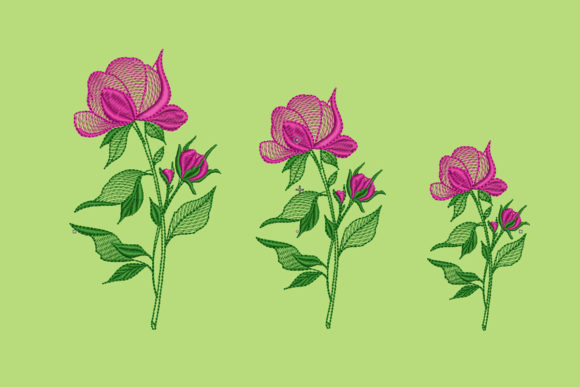
This isn’t a botanical sketch or a minimalist line drawing. Peony has dimension—petals that suggest depth without overwhelming density, leaves with natural taper, and a center that breathes rather than crowds. It feels handmade, even when stitched by machine. For baby embroidery, that warmth translates beautifully: imagine it on a cotton muslin blanket, slightly off-white thread on ivory fabric—soft, tender, heirloom-quiet. For a wedding gift? Stitch it onto a linen pillow cover in ivory-on-charcoal or dusty rose-on-cream, and it becomes a keepsake that whispers “forever,” not “formal.”
Peony shines across categories because it adapts—not by changing shape, but by deepening context. On a kitchen towel? Yes, it’s practical—but more importantly, it elevates the everyday. A confectioner wearing an apron embroidered with Peony isn’t just dressed for work; she’s styled with intention. On a custom tote bag for a bridal shower? It adds quiet sophistication next to monogrammed initials. In a nursery, paired with soft gray or sage, it brings organic calm—no cutesy clichés, just serene botanical presence. As a small shop product, Peony helps differentiate: while others lean into florals with butterflies or hearts, this design trusts the flower itself to carry meaning.
That said, thoughtful placement is key. Because Peony relies on graceful curves and layered petal definition, avoid stitching it on highly textured fabric (like thick terry cloth towels) without extra stabilizer support—those fine transitions can blur. Similarly, on stretchy baby onesies or curved surfaces like mugs (if used for printable mockups), test stitch alignment first: the design’s natural flow can distort if hooping isn’t precise. And while Peony works well on dark fabric, confirm your thread colors provide enough contrast—especially in the inner petals—so detail doesn’t disappear. Always run a test on scrap fabric matching your final product’s weight and weave. What reads clearly on quilting cotton may vanish on brushed poly-blend.
Stitch density matters here—not because Peony is overly dense, but because its charm lives in subtlety. Too much fill can flatten its airiness; too little can make edges look unfinished. Use a medium-weight cutaway or tear-away stabilizer depending on fabric stability, and always check how the back looks: clean backing signals professional finishing, which builds customer trust faster than any listing description. If you’re prepping an Etsy seller mockup, compare light and dark fabric versions side-by-side—Peony gains different moods in each, and showing both helps buyers visualize beyond the default white background.
For wedding gift designers and handmade product creators, Peony strengthens perceived value instantly. Unlike generic script monograms or clip-art roses, this single flower communicates care in curation. Customers don’t just buy a design—they invest in a feeling: reverence, tenderness, celebration of growth. That emotional connection lifts average products into meaningful keepsakes. Photograph it thoughtfully—a folded embroidered towel with dried lavender beside it, a pillow cover draped over a vintage chair—and watch engagement rise. Buyers linger longer when they sense intention behind every petal.
Small business owners will appreciate how seamlessly Peony integrates across offerings. Pair it with a simple initial for custom baby embroidery on burp cloths or bibs. Layer it subtly in a corner of a quilted blanket embroidery layout. Use it as the focal point on a linen apron for a bakery’s staff gifting program. Because it belongs to the Single Flowers category—not busy bouquets or seasonal wreaths—it scales elegantly: no need to crop or simplify for smaller hoops. Still, always confirm hoop size compatibility before digitizing previews, especially for compact items like sachets or coaster sets.
Practical notes for production: Before stitching your first customer order, verify your embroidery file includes formats compatible with your machine (check .dst, .pes, .jef, etc.). Review stitch count range—if unusually high, consider adjusting underlay or reducing density slightly for delicate fabrics. Confirm commercial licensing terms: since Peony is marketed for kitchen towels, aprons, and confectioner apparel, it’s clearly intended for commercial embroidery—but always double-check before listing finished products on Etsy or wholesale channels. Never assume—your reputation hinges on clarity.
Finally, think beyond the hoop. How will your customer interact with the finished product? A Peony-embroidered tea towel gets washed weekly—so reinforce durability with quality thread and secure trims. A baby blanket may be passed down—so prioritize low-lint cotton and gentle wash instructions. A wedding pillow cover might sit displayed for years—so ensure colorfastness and UV-resistant thread. Each use case asks something different of the same design—and Peony answers with quiet versatility.
For digital embroidery file sellers, this is also a strong anchor design. Bundle Peony with coordinating stems or leaf sprigs—or pair it with neutral script fonts for monogrammed gift sets. Its timeless appeal means it won’t date quickly, making it a reliable bestseller across seasons. And for craft fair vendors? Print a few physical mockups on real fabric swatches—people respond viscerally to texture and drape, and Peony’s organic shape reads beautifully in person.
In short: Peony earns its place not by being flashy, but by being faithful—to craft, to emotion, to the quiet power of a single bloom. Whether you're stitching for a newborn’s first blanket, a baker’s pride, or a couple’s forever pillow, this machine embroidery design meets the moment with grace. Just remember: test, stabilize, contrast-check, and license-confirm. Then let the petals speak for themselves.